Introduction
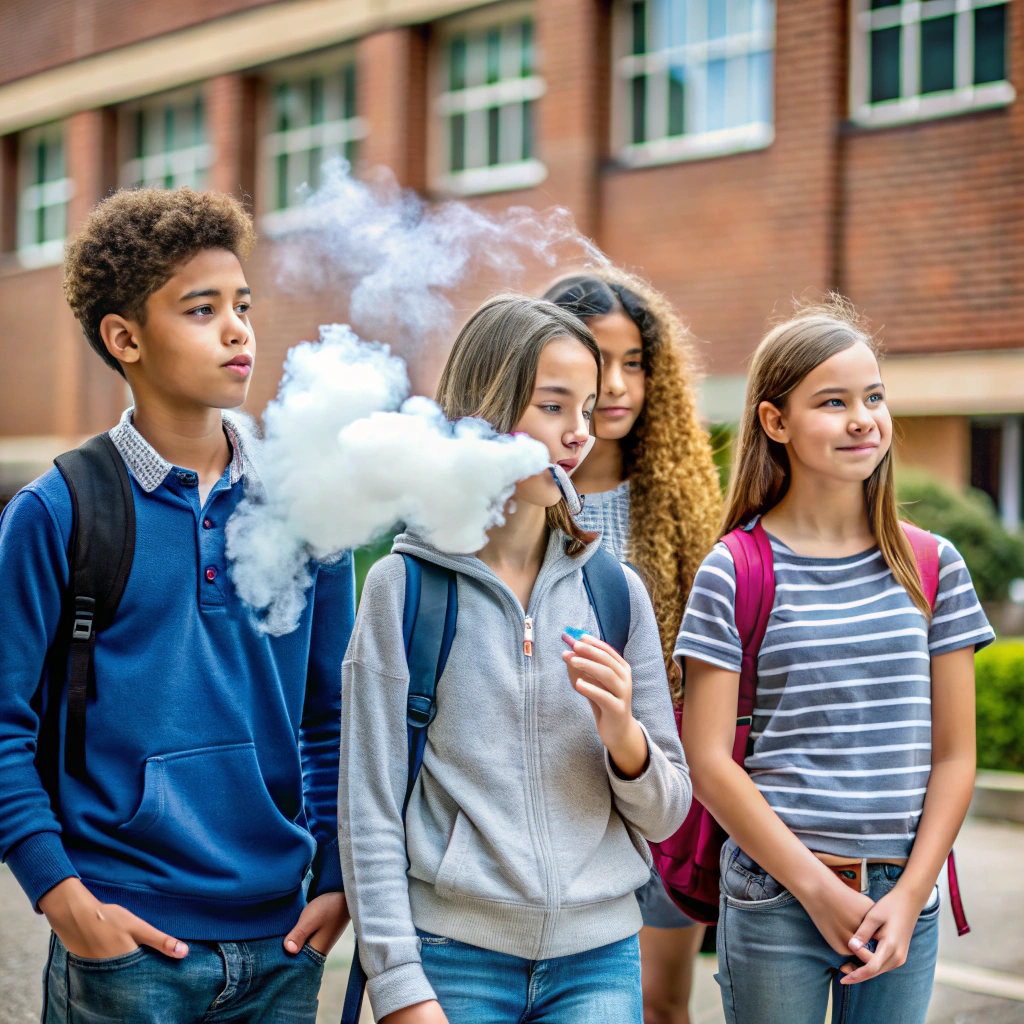
In recent years, the rise of vaping among students has become a pressing concern for parents, educators, and policymakers alike. As traditional smoking rates decline, vaping has emerged as a new trend among adolescents—a trend that's not only alarming but also complicated by the allure of flavored e-liquids and sleek devices. To combat this burgeoning issue in schools, innovative solutions like vape detectors have been developed. But how effective are these devices? This article explores Vape Detectors and Their Impact on Student Behavior and Choices, delving into their functionality, effectiveness, and the broader implications for student health and decision-making.
What is a Vape Detector?
A vape detector is a sophisticated device designed to identify the presence of vaping activity in various environments, particularly within schools. These detectors utilize advanced sensors to detect aerosol particles emitted from e-cigarettes or vape pens. By alerting school authorities when vaping occurs, these devices aim to create a safer and healthier environment for students.
How Do Vape Detectors Work?
The Technology Behind Vape Detection
Vape detectors typically employ two types of technology: chemical sensors that recognize specific compounds associated with vapor emissions and particle sensors that detect changes in air quality. This dual approach allows them to accurately identify when a student is vaping.
Installation Locations
To maximize effectiveness, vape detectors are often installed in areas where students congregate—bathrooms, hallways, lounges—places commonly associated with discreet vaping.
The Role of Zeptive Vape Detector
One notable product in the market is the Zeptive vape detector. Known for its user-friendly interface and high sensitivity levels, it stands out as a preferred choice among educational institutions looking to combat vaping.
Key Features of Zeptive Vape Detector
Real-Time Alerts: Zeptive can send immediate notifications to school staff when vaping is detected. Data Analytics: It provides analytics on usage patterns that can help schools tailor their anti-vaping strategies. Stealth Design: Its unobtrusive design encourages its acceptance within school environments without causing alarm among students.Vaping Trends Among Students
Understanding Vaping Culture
Vaping has gained popularity among teenagers due to factors like peer influence, marketing strategies by e-cigarette companies, and misconceptions about safety compared to traditional smoking. Many young individuals perceive vaping as less harmful or even socially acceptable.
Statistics on Student Vaping
According to surveys conducted by organizations like the CDC (Centers for Disease Control), approximately 20% of high school students reported using e-cigarettes in the past month alone—a statistic that raises significant concerns about public health.
Vape Detectors and Their Impact on Student Behavior and Choices
Behavioral Responses to Detection Technology
The introduction of vape detectors in schools has sparked varied reactions from students. While some may feel deterred from vaping due to the fear of being caught, others might seek alternative locations or methods to continue their habit.
Positive Outcomes
- Decreased Vaping Incidents: Schools that have implemented vape detectors often report a decrease in incidents related to vaping. Heightened Awareness: The presence of these devices serves as a reminder for students about the potential consequences of their choices regarding tobacco products.
Negative Outcomes
- Rebellion Against Authority: Some students may view vape detectors as an invasion of privacy or an overreach by school authorities, leading them to rebel further. Adaptation Strategies: Faced with detection technology, some may seek out alternatives or more covert methods for using vape products.
A Closer Look at School Policies Surrounding Vaping
Establishing Clear Guidelines
Effective policies regarding vaping should encompass clear consequences for violations while also providing educational resources about the dangers associated with e-cigarettes.
Support Systems for Students
Schools should not only focus on punitive measures but also implement support systems aimed at helping students quit vaping through counseling services or cessation programs.
The Role of Educators in Combating Vaping
Training Staff Effectively
Educators play a crucial role in addressing student behavior related to vaping. Comprehensive training programs can equip teachers with knowledge about the risks associated with e-cigarettes and strategies for discussing these issues with students openly.
Engaging Parents
Involving parents through workshops or informational sessions can enhance awareness about the risks of vaping at home as well as at school.
Community Involvement Against Vaping
Collaboration Between Schools and Local Organizations
Building partnerships with local health organizations can provide additional resources for anti-vaping campaigns within schools.
Public Awareness Campaigns
Community-wide initiatives that raise awareness about the dangers associated with youth vaping can significantly complement efforts made within educational institutions.
Case Studies: Success Stories from Schools Using Vape Detectors
Several schools across the country have reported success after integrating vape detection technologies into their environments:
Case Study One: Springfield High- After implementing Zeptive vape detectors, Springfield High saw a 30% reduction in reported incidents over one semester.
- With proactive policies supported by data analytics from their vape detection system, Lincoln Middle was able to educate its student body effectively about the dangers associated with e-cigarettes leading to increased participation in cessation programs.
| School Name | Reduction Rate (%) | Timeframe | |-----------------------|--------------------|------------------| | Springfield High | 30% | 1 Semester | | Lincoln Middle School | 25% | 6 Months |
Challenges Facing Implementation of Vape Detectors
While there are clear benefits associated with installing vape detectors within schools, several challenges persist:
- Cost Implications: Budget constraints may hinder some schools from investing in these technologies. Acceptance Among Students: Resistance from students who feel targeted can complicate implementation efforts.
The Psychological Aspect: Why Do Students Vape?
Understanding why vape detectors students choose to engage in risky behaviors like vaping is crucial for developing effective interventions:
Curiosity: Many teens experiment out of sheer curiosity about what they perceive as “cool.” Social Acceptance: Peer pressure plays a significant role; wanting to fit into social circles can lead adolescents down this path. Stress Relief: Some students turn to vape products believing they help relieve stress or anxiety during exam periods or other stressful situations.Are Vape Detectors Effective?
This question remains paramount for educators weighing their options concerning tackling student behavior around vaping:
- Studies indicate that while no solution is foolproof, incorporating tech like vape detectors does contribute positively toward reducing incidents when combined with comprehensive policy frameworks.
Future Prospects: Evolving Technologies
As technology advances rapidly, we expect improvements regarding sensor accuracy and data collection methods used by devices like Zeptive:
- Future developments may include AI-driven analytics capable of identifying individual patterns amongst users which could inform tailored interventions directed toward specific groups needing assistance.
FAQs About Vape Detectors & Student Behavior
Q1: What exactly does a vape detector do?
A: A vape detector identifies aerosol particles emitted by e-cigarettes or vape pens using advanced sensors designed specifically for this purpose.
Q2: How effective are these devices in reducing student vaping?
A: Research suggests that while results vary per institution based on culture & policy implementation; many report decreased incidents post-installation when coupled with education initiatives surrounding prevention tactics against nicotine use amongst youths.
Q3: Can teachers see who vaped if caught?
A: Most current models focus primarily on detecting an incident rather than identifying specific individuals unless connected directly through surveillance systems already present within campuses potentially aiding disciplinary actions taken afterward based upon evidence collected via those channels too!
Q4: Is there any resistance from students toward such measures?
A: Yes! Some adolescents perceive these installations negatively viewing them instead as invasive tactics employed unnecessarily infringing upon personal freedoms resulting sometimes further escalating rebellious behaviors against authority figures involved therein overall hence why careful consideration must always be accounted beforehand establishing communication pathways ahead proactively prior launching initiatives surrounding this topic broadly speaking too!
Q5: What role do parents play regarding teen vaping habits?
A: Parents should actively engage in discussions encouraging open dialogue surrounding substance use educating themselves alongside children making informed decisions collectively together about risks involved behind engaging behaviors commonly exhibited amongst peers today generally speaking overall!
Q6: Are there any legal implications surrounding implementing such technology?
A: Indeed! Discover more here Institutions must ensure compliance regulations under privacy laws protecting minors before deploying surveillance measures adequately safeguarding rights upheld thereby avoiding potential liabilities arising subsequently thereafter due diligence adhered consistently throughout processes undertaken following installation phases concluded eventually thereafter ultimately too!
Conclusion
The rise of youth vaping poses a significant challenge not only for educational institutions but also society at large. However, tools like vapor detectors represent a promising step towards addressing this issue head-on—provided they are implemented thoughtfully alongside robust educational policies guiding both youth choices going forward ensuring safer environments throughout campuses everywhere possible overall! By engaging all stakeholders—students included—in honest conversations around healthy lifestyle choices focusing less solely punitive responses fostering growth mindsets individually established creating cultures valuing wellness ultimately empowering generations ahead positively shaping futures still yet unseen altogether in entirety hereafter therefore!