Introduction
Creating a healthy indoor environment in schools is not just a luxury—it's a necessity. In today’s world, where children spend a significant amount of time indoors, especially in educational settings, the importance of establishing benchmarks for these environments cannot be overstated. This article explores the various factors contributing to healthy indoor environments across schools and why it’s essential to set measurable standards.
Healthy indoor spaces can dramatically influence students' physical and mental well-being, academic performance, and overall quality of life. So, how do we go about ensuring that our schools meet these essential health benchmarks? Let’s dive into this vital topic!
Establishing Benchmarks for Healthy Indoor Environments Across Schools
Establishing benchmarks for healthy indoor environments across schools involves several dimensions: air quality, lighting, acoustics, space design, and sanitation. Each of these elements plays a fundamental role in creating an atmosphere conducive to learning.
Air Quality: The Breath of Life
What is Air Quality?
Air quality refers to the condition of the air within and around buildings—especially as it relates to the health and comfort of building occupants. In schools, poor air quality can lead to various health issues including respiratory problems and allergies.
Why is Air Quality Crucial in Schools?
Health Implications: Poor air quality can lead to asthma attacks or allergic reactions. Cognitive Function: Studies show that better air quality improves concentration and cognitive function among students. Attendance Rates: A healthier environment means fewer sick days for students and staff.Strategies for Improving Air Quality
- Ventilation Systems: Ensure proper ventilation by using HVAC systems that bring in fresh outdoor air. Air Purifiers: Invest in HEPA filters to remove airborne particles. Regular Monitoring: Use sensors to continuously monitor air quality levels. " width="560" height="315" frameborder="0" allowfullscreen>
Lighting: Illuminating Minds
Natural vs Artificial Lighting
Natural light has been shown to improve mood and productivity while reducing eye strain. However, artificial lighting can also play an essential role when natural light is scarce.
Benefits of Good Lighting
Enhanced Learning: Proper lighting promotes better focus and engagement. Emotional Well-being: Exposure to natural light boosts serotonin levels—a mood enhancer.Best Practices for School Lighting
- Maximize Natural Light: Design classrooms with ample windows. Adjustable Artificial Lights: Use dimmable LED lights that mimic daylight.
Acoustics: Sound Decisions
The Importance of Acoustics in Learning Environments
Sound affects more than just what we hear; it influences how we learn! Poor acoustics can lead to distractions that disrupt lessons.
Effects of Noise Pollution in Schools
Distraction: Excessive noise can hinder learning. Stress Levels: High sound levels contribute to stress among students and teachers.Improving Acoustic Quality
- Soundproofing Materials: Use carpets, acoustic tiles, or wall panels designed to absorb sound. Design Considerations: Build classrooms with layouts that minimize noise transfer between spaces.
Space Design: Room for Growth
The Role of Space Design in Education
The layout and design of school spaces significantly impact student interaction, learning styles, and social development.
Elements of Effective Space Design
Flexible Classrooms: Spaces should adapt easily based on teaching methods. Breakout Areas: Create zones where students can collaborate off the main classroom floor.Sanitation Standards in Schools
Importance of Cleanliness
Regular cleaning protocols ensure that surfaces are free from germs that could cause illness outbreaks among students or staff members.
Effective Sanitation Practices
- Regular Cleaning Schedules: Set routines for cleaning high-touch surfaces like desks and doorknobs. Hand Hygiene Stations: Provide hand sanitizers throughout the school premises.
FAQ Section
1. What are some quick ways schools can assess their indoor environments?
Schools can conduct surveys regarding air quality or use simple tools like carbon dioxide monitors or noise meters for immediate feedback on their environments.
2. How do benchmarks help improve student performance?
By setting clear standards, schools can identify weaknesses in their environments—leading to targeted improvements that enhance learning experiences.
3. Are there any regulations regarding indoor environmental standards?
Yes! Various methods to detect vaping guidelines exist at local, state, and federal levels aimed at ensuring safe indoor environments in educational settings.
4. What role does technology play in maintaining healthy school environments?
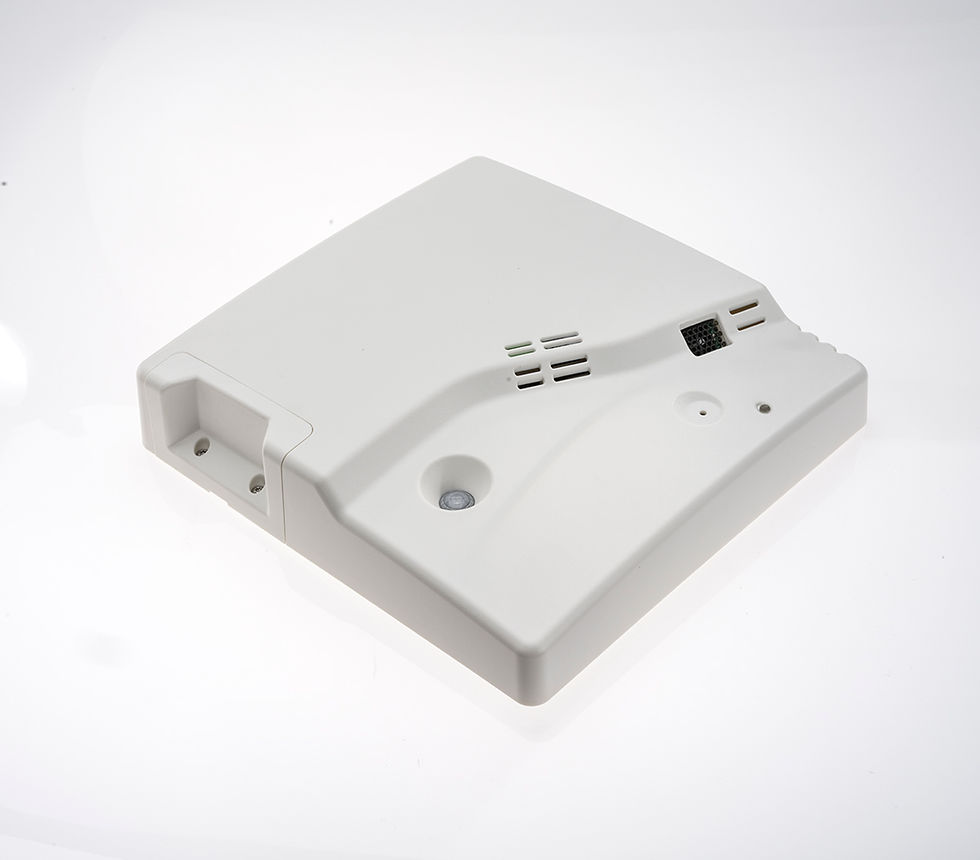
Technology like monitoring sensors helps track environmental conditions continuously—allowing quick responses if benchmarks fall short!
5. Can parents get involved in improving school environments?
Absolutely! Parents can advocate for healthier practices through school boards or local education committees—that's how change often starts!
6. What's the first step towards establishing benchmarks?
Begin with an assessment! Evaluate current conditions against existing health guidelines or standards before moving forward with specific goals.
Conclusion
In summary, establishing benchmarks for healthy indoor environments across schools isn’t just about compliance; it’s about fostering an atmosphere where children thrive academically and socially! By focusing on key areas such as air quality, lighting, acoustics, space design, and sanitation practices, we create spaces that not only support learning but also nurture well-being. Whether you're an educator looking to upgrade your school's facilities or a parent advocating for change—understanding these principles will empower you to take action!
In our ever-evolving educational landscape, let’s prioritize healthy indoor environments because every child deserves a place where they feel safe—and ready—to learn!